

The Evolution of the Grimdark: A History of Warhammer 40k Editions
With the Armageddon box arriving, Warhammer 40,000 approaches its 11th Edition.
A new edition is always a huge milestone. It shakes up the meta, drives the lore, and brings fresh sculpts. The game we play today took decades to evolve. It went through massive structural resets and eras of rules bloat.
To understand the new edition, we must examine the history of Warhammer 40k editions. This look back reveals the long road that brought us here.
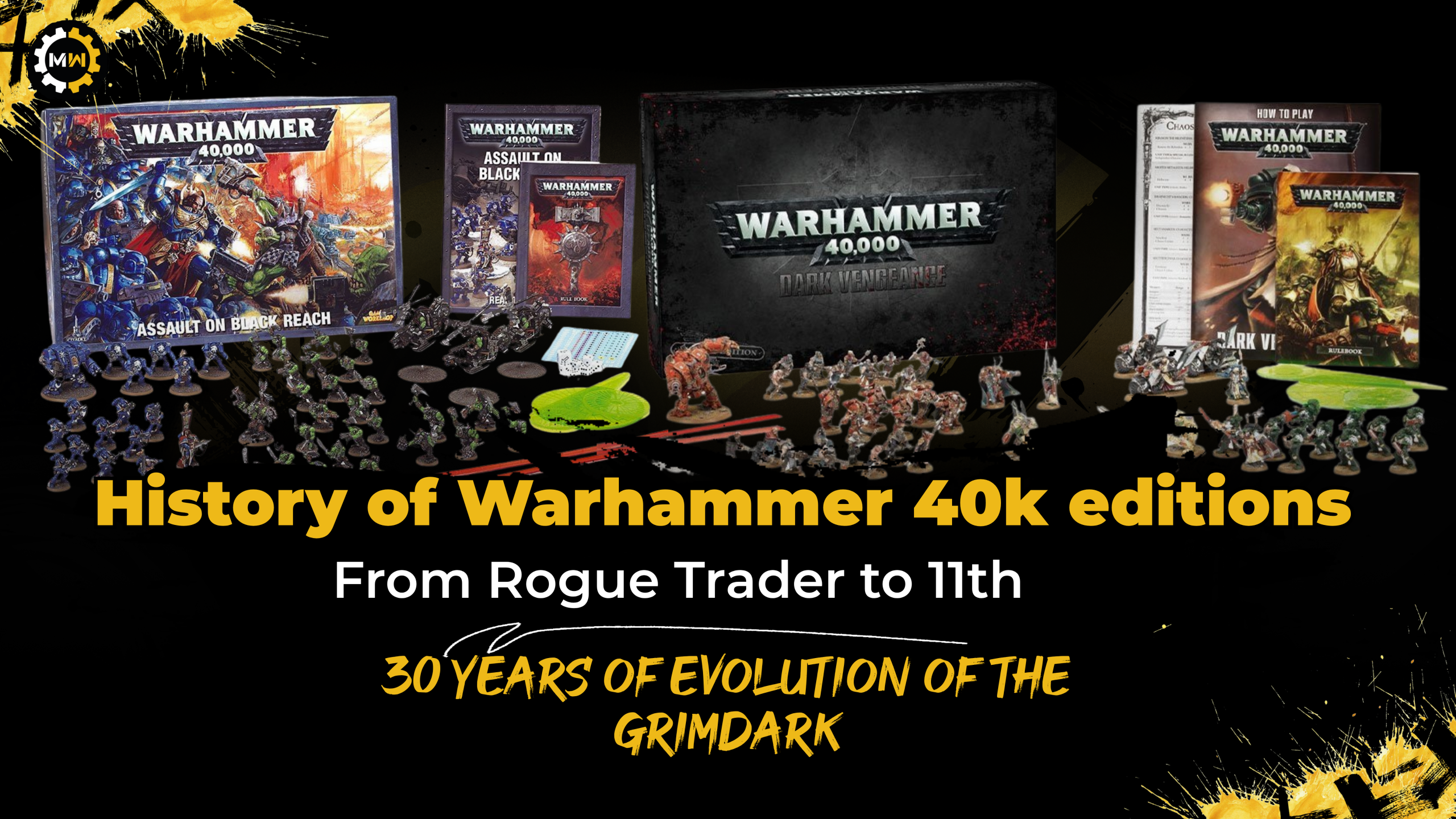
The Archeotech Eras: Roleplaying and Percentage Armies
The 41st Millennium started as a radically different game. Early versions focused on intimate storytelling. They skipped the grand frontline clashes we know today.
Rogue Trader (1st Edition) and the RPG Legacy
Released in 1987, the original game lacked a starter box. It debuted as a standalone hardcover rulebook. The system felt like a sci-fi adaptation of Warhammer Fantasy roleplaying.
Players needed a dedicated Game Master to run scenarios. The game required standard RPG dice, from D4s to D20s. Mechanics were deep and highly individualistic. Rules covered hiding behind walls and 90-degree firing arcs. Heavy wargear could even physically encumber your models.
2nd Edition: The HeroHammer and Goblin Green Era
In 1993, Games Workshop dropped the Rogue Trader name. The game stepped into a vibrant, colorful era. This birthed iconic Goblin Green bases and bright red bolters. A proper starter set pitted Blood Angels against Space Orks. This codified faction lists while keeping immense mechanical complexity.
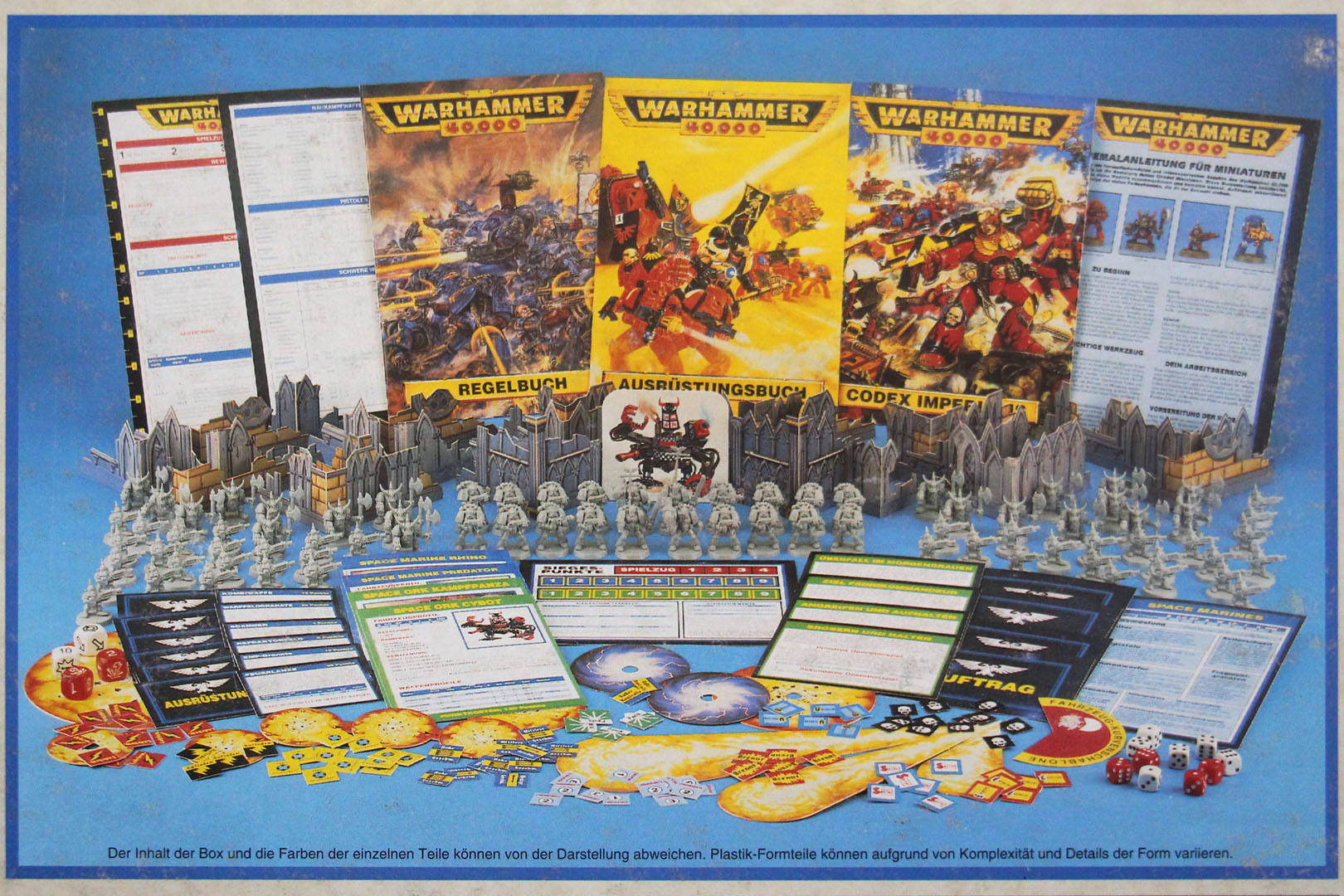
Cardboard Stand-ins and Percentage Lists
Miniature manufacturing was still evolving back then. The 2nd Edition starter box used a cardboard Ork Killa Kan. List-building relied strictly on percentages. Players could spend up to 50% of points on powerful characters. This forced a minimum of just 25% on regular squads. This naturally created the HeroHammer meta. Unstoppable lords dominated the table with detailed melee duels. Regular rank-and-file troops often just watched the carnage.
The Core Engine: The Rise of the Force Org Chart
By 1998, tracking individual duels became unsustainable for large collections. The game desperately needed a total operational restructure.
3rd Edition: The Birth of Modern Grimdark Architecture
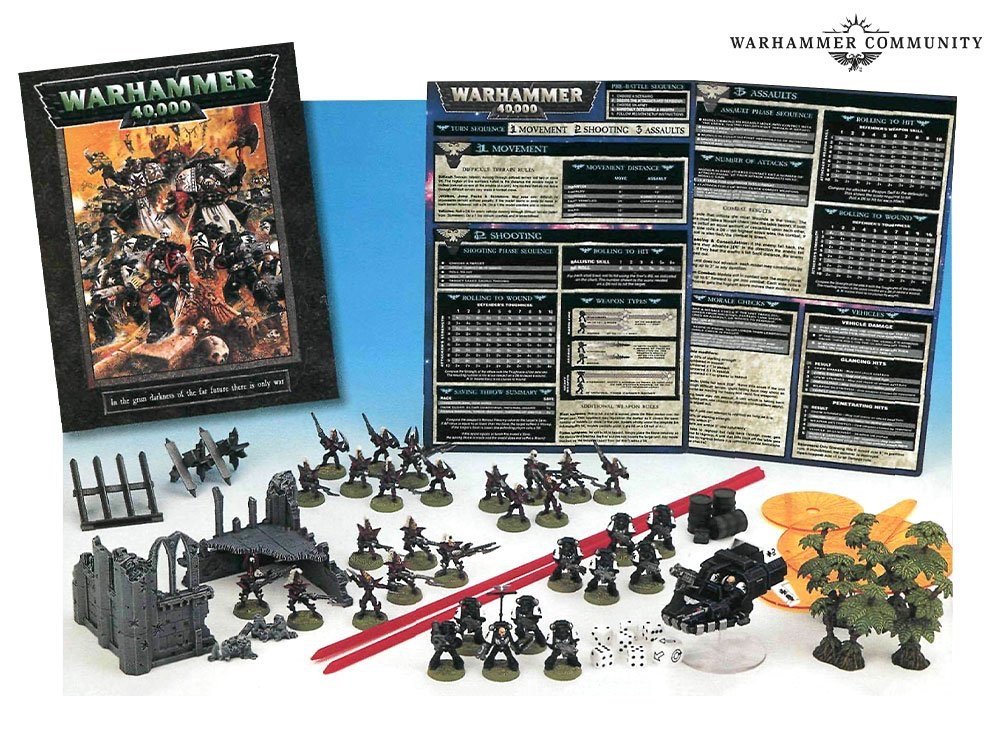
The 3rd Edition launch in 1998 changed the landscape permanently. It introduced a darker, industrial aesthetic. The entire core engine was replaced with an exclusive D6 system. Models stopped fighting individual duels. They began operating cohesively as unified squads. Percentage-based lists were completely abolished. The legendary Force Organization Chart took over. This enforced a mandatory 1 HQ and 2 Troops requirement.
The Multi-Pose Revolution and Narrative Expansions
The 3rd Edition box raised the bar significantly. It provided multi-part Space Marines and introduced the Dark Eldar. It even included a plastic Land Speeder right in the box. This era birthed massive global campaign books like Codex Armageddon. However, rapid professionalization came with a trade-off. Clean gameplay meant heavily reduced lore inside the rulebooks. The Space Marine codex dropped from 98 pages to just 48.
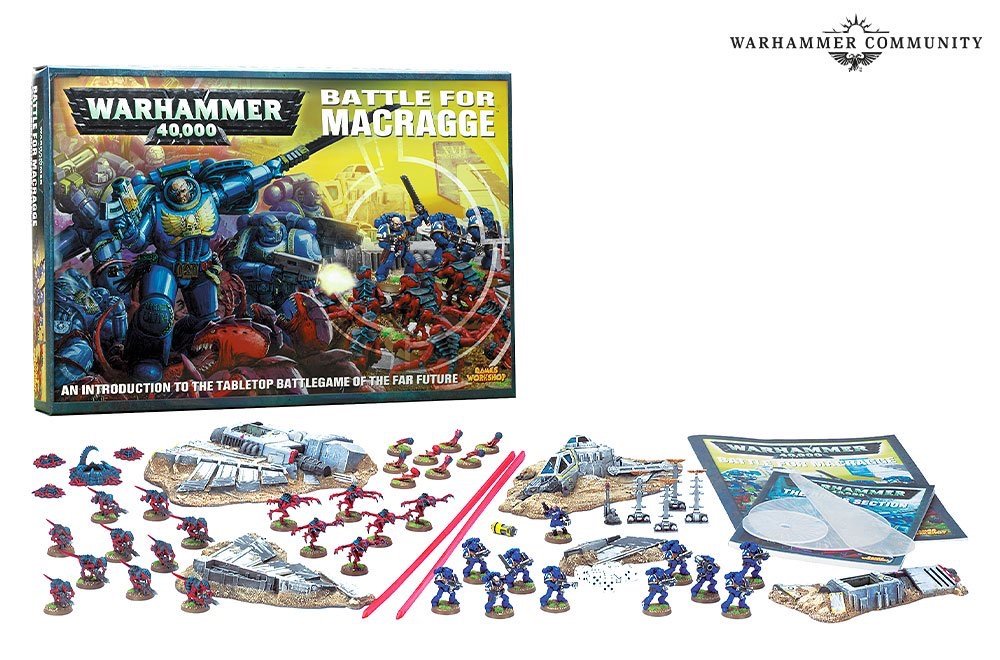
Refining the Battlefield Engine (4th & 5th Edition)
Fourth (2004) and fifth (2008) editions refined the 3rd Edition chassis. Fourth Edition introduced standardized Universal Special Rules. The Battle for Macragge box pushed for entry-level accessibility. It included bespoke terrain and quick-start painting guides.
True Line of Sight and Black Reach
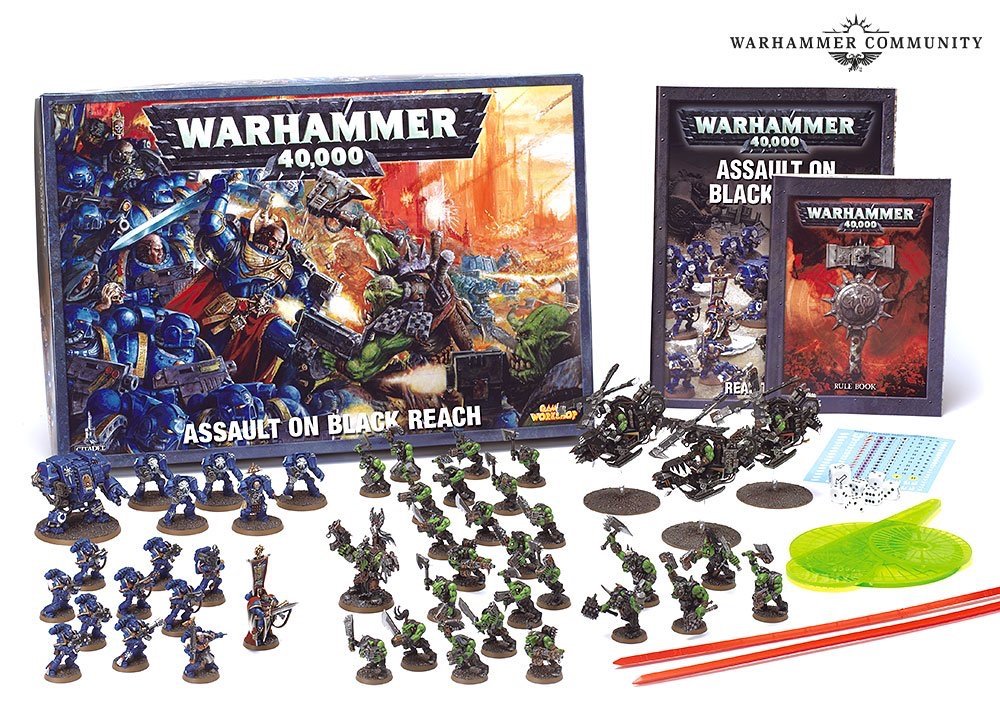
Fifth Edition arrived in 2008 with true line of sight mechanics. This fundamentally changed interactions with cover and terrain. The legendary Assault on Black Reach set defined this era. Black Reach provided two massive, fully functional armies. A Space Marine force with Terminators faced a massive Ork Waaagh! The plastic Deffkoptas inside remained exclusive to that box for years.
The Cycles of Bloat and Reset
Once a reliable engine establishes itself, continuous rules inevitably cause fractures. The entire history of Warhammer 40k editions is defined by these breaking points.
The Weight of Unbound Bloat
Edition lifespans began contracting into rapid, four-year cycles. Sixth Edition (2012) expanded the game with Fortifications and Allied Detachments. It was quickly replaced in 2014 by 7th Edition. Seventh enshrined apocalyptic-scale models directly into the core rules. It also introduced the controversial Unbound army construction method. Players could ignore structure and field anything they wanted.
The Complexity Death Knell
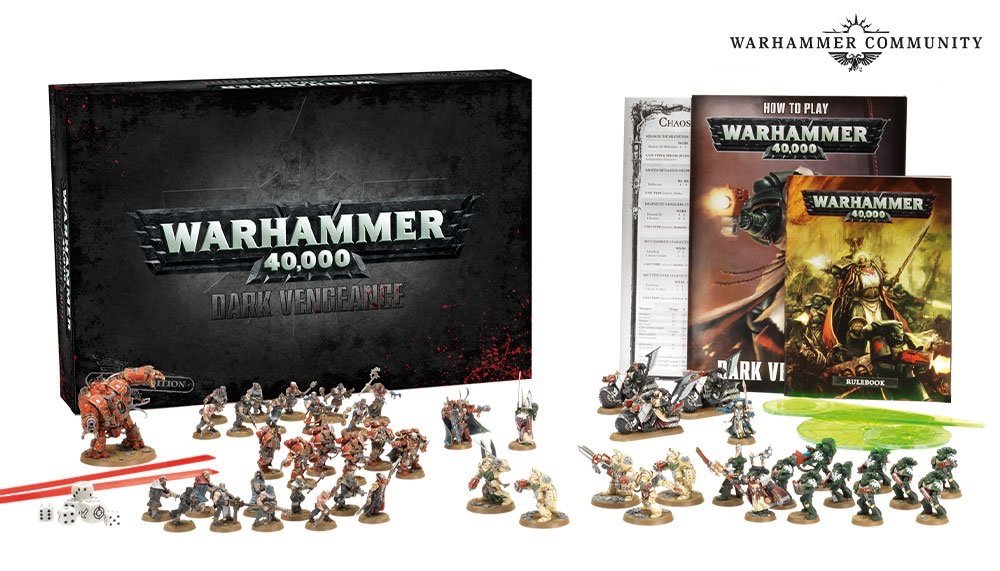
The breaking point of 7th Edition was its top-heavy rules. The game introduced a highly complex, separate Psychic phase. Dynamic warp charge pools slowed games to a crawl. Layered formation rules stacked free point values. The game became buried under its own paperwork. It became nearly impossible to balance or play casually.
The Data Sheet and Primaris Dawn (8th & 9th Edition)
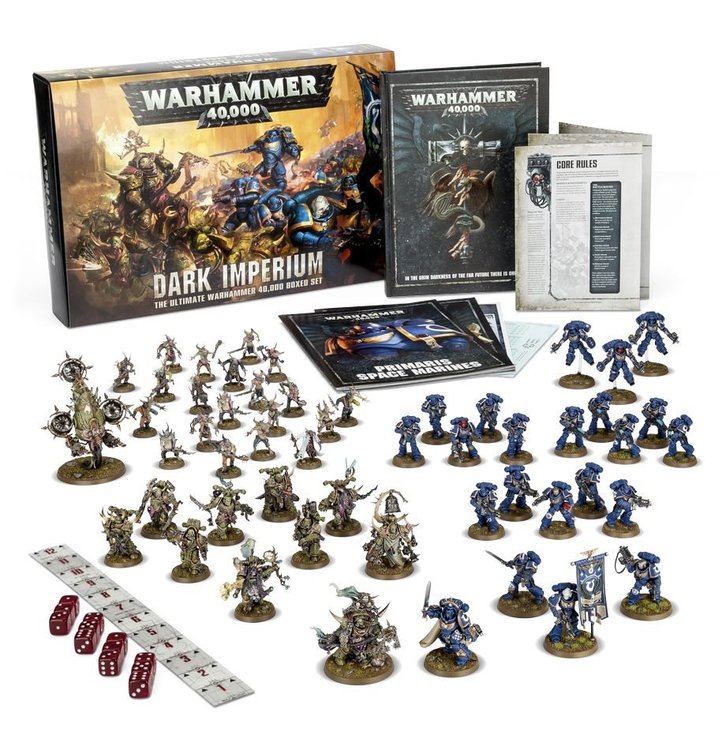
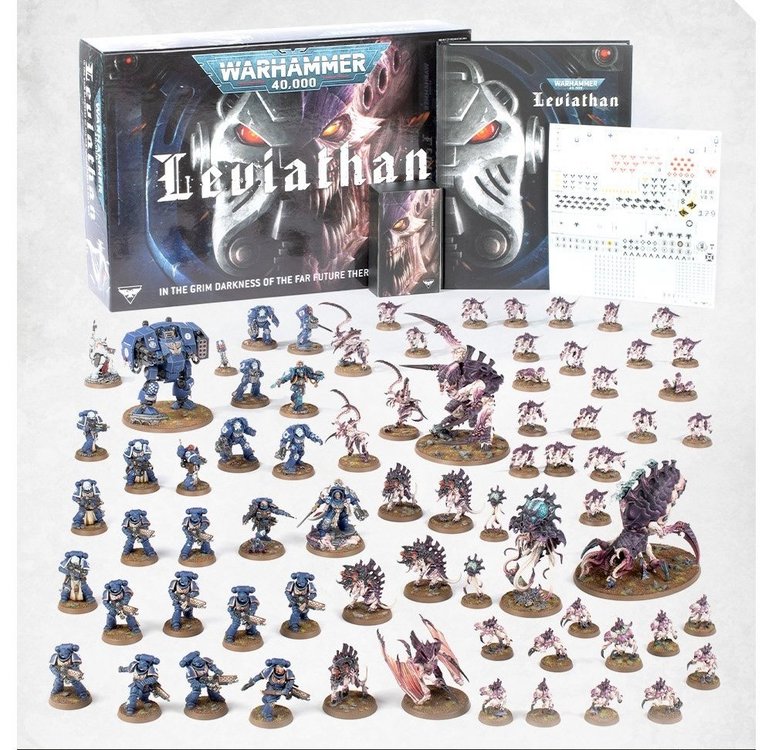
The system nearly collapsed under its own rulebook legalese. To fix this, 2017 brought a massive hard reset with 8th Edition. The lore and model scale changed permanently. Space Marines crossed the Rubicon Primaris in the Dark Imperium box.
Keywords, Stratagems, and Command Pools (8th & 9th Edition)
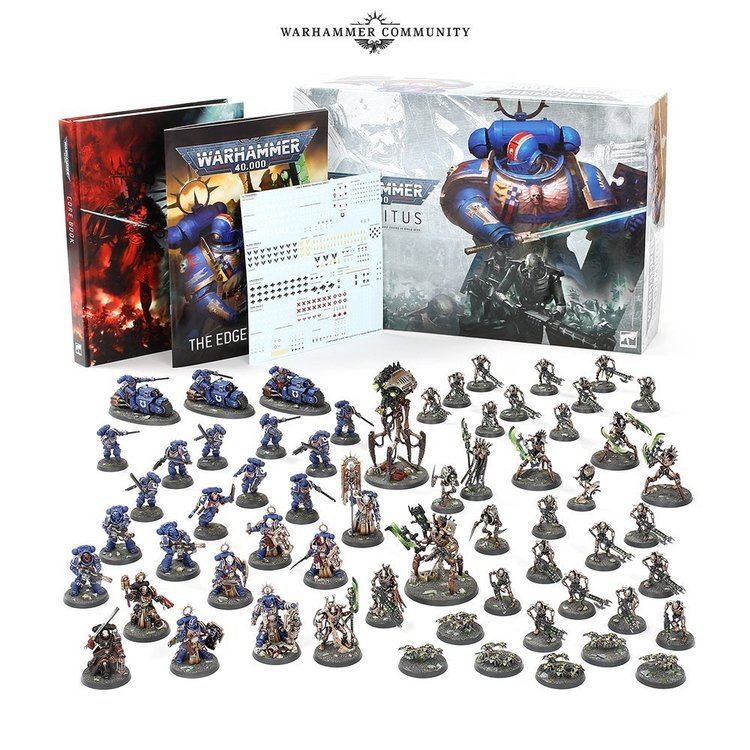
Eighth Edition eradicated armor facings, blast templates, and initiative steps. It restructured the game around unified Datasheets and Keywords. Rules only interacted if models shared explicit tags. This era also introduced Command Points and Stratagems. Army management turned into a tactical resource game. Ninth Edition (2020) carried this design into the competitive scene. It introduced Crusade rules while tightly codifying actions and scoring.
What the History of Warhammer 40k Editions Tells Us About 11th Edition
Looking back at this massive evolutionary arc clarifies the historical pattern. Tenth Edition slimmed down the complex rules creep of older designs. Now, 11th Edition is stepping in to refine that engine further. Games Workshop is taking a highly robust core engine forward. They are pushing it into an immersive Armageddon campaign. We are bypassing the need for a ground-up hard reset. Rules are cleaner and models are getting more characterful. The focus is shifting back to playing the game.
Claim Your Place in the Ash Wastes
Looking back at the history of Warhammer 40k editions, one thing is constant. A brand-new box means facing a massive pile of gray plastic. The upcoming Armageddon box is packed with highly detailed sculpts. These Orks and Space Marines won’t paint themselves. You will be busy mastering the new detachments. If you want to bypass the tedious building phase, we can help. Our studio is ready to handle the heavy lifting for you.
Book your slot to get your new forces completely tabletop-ready. Do it before the launch rush hits.
Book a commission here.