

Fallout: Wasteland Warfare 2.0 – The Solo Wargame the Wasteland Deserves
After eight years and a mountain of community feedback, Modiphius is rebuilding its Fallout miniatures game from the ground up – and solo players are at the front of the line.
Something interesting is happening in the miniature wargaming space. The solo-first design philosophy, once a niche curiosity, is becoming a serious commercial proposition. Five Leagues from the Borderlands and Five Parsecs from Home proved there’s a hungry audience for campaign wargames you can play on your kitchen table without a second human. Now Modiphius Entertainment, the publisher behind the original Fallout: Wasteland Warfare, is going all-in on the same idea – but with the weight of Bethesda’s post-apocalyptic universe behind it.
The second edition of Fallout: Wasteland Warfare is heading for release in Q3-Q4 of 2026, and recent demo games at Adepticon plus a detailed community AMA with designer Evie on Modiphius’ Discord server have revealed a game that looks dramatically different from its predecessor. Not in scale or miniature compatibility – your existing 32mm collection carries over – but in ambition and structure. Right now, it’s a solo-first adventure wargame with cooperative and competitive modes built alongside it.
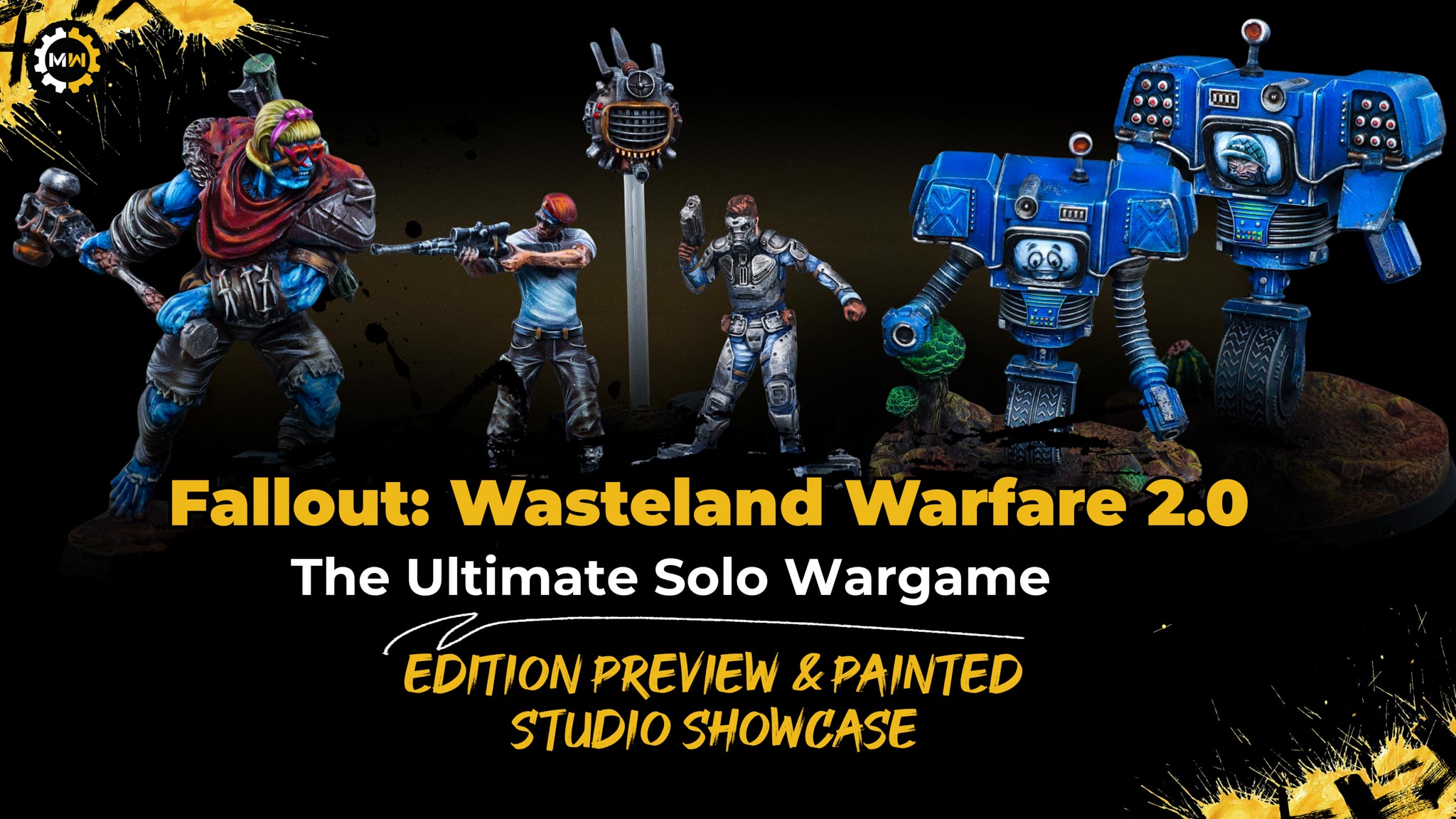
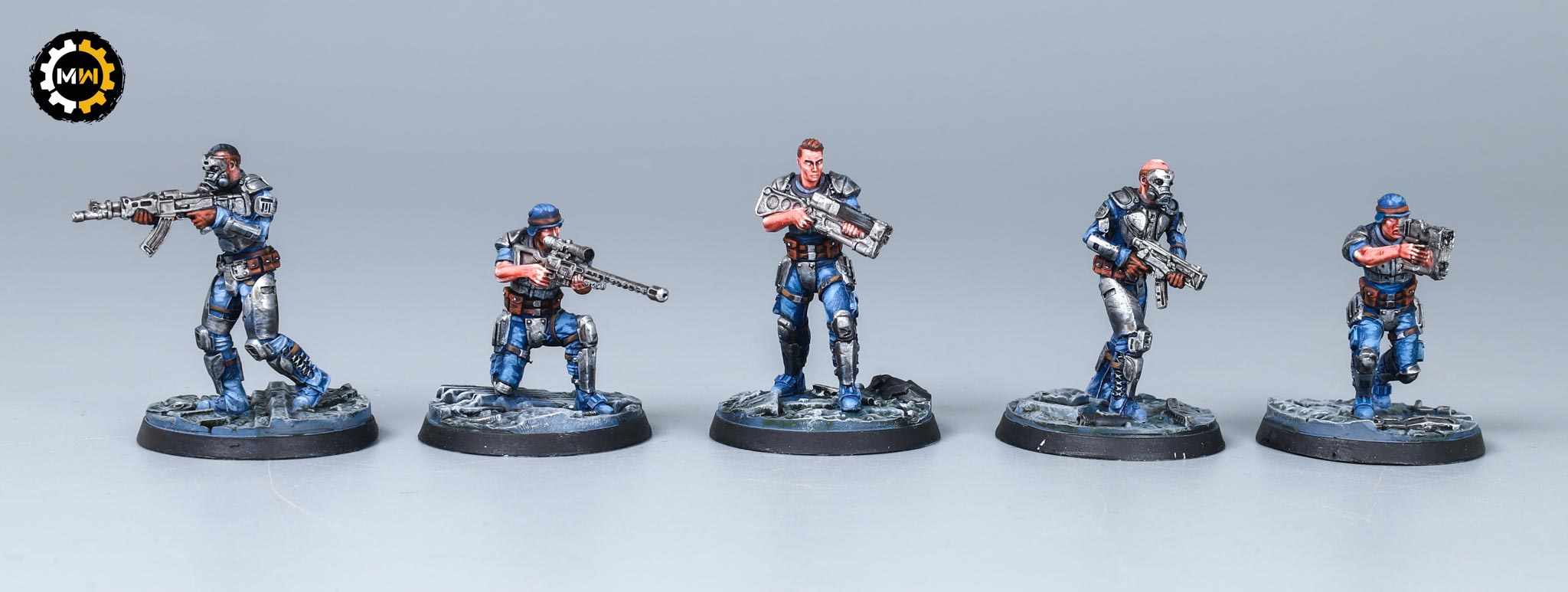
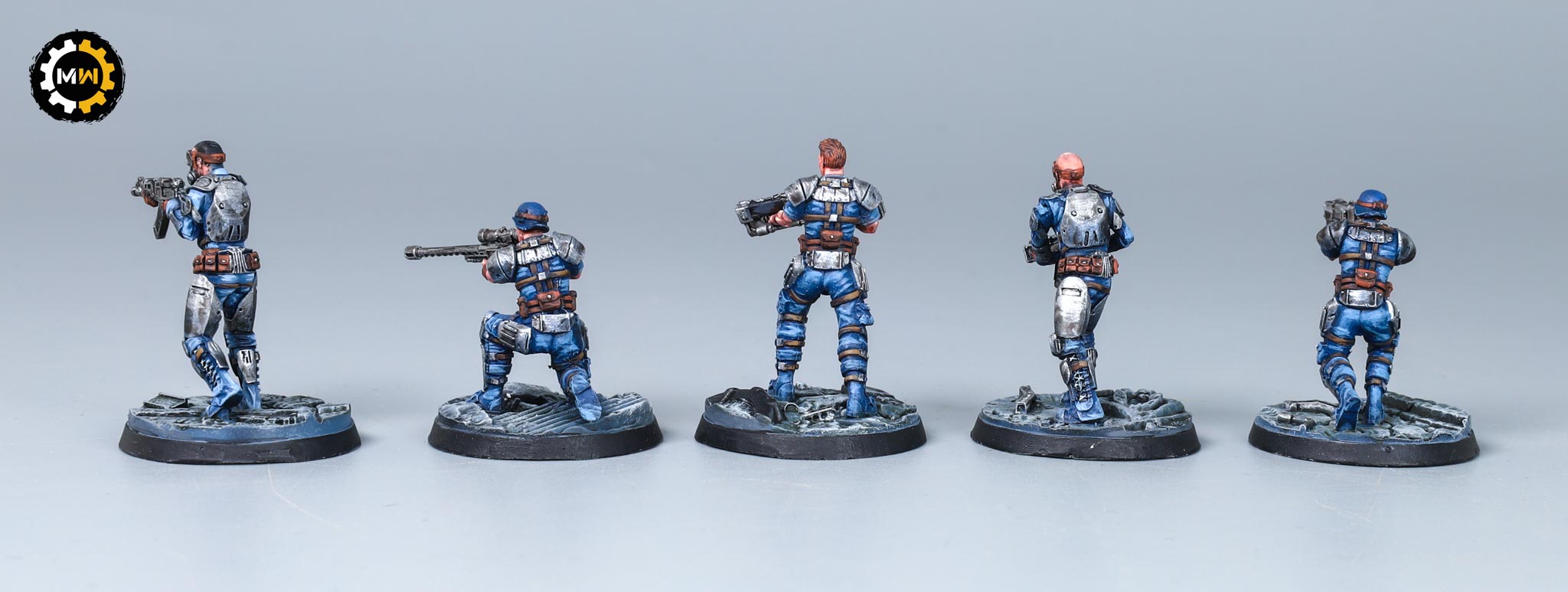
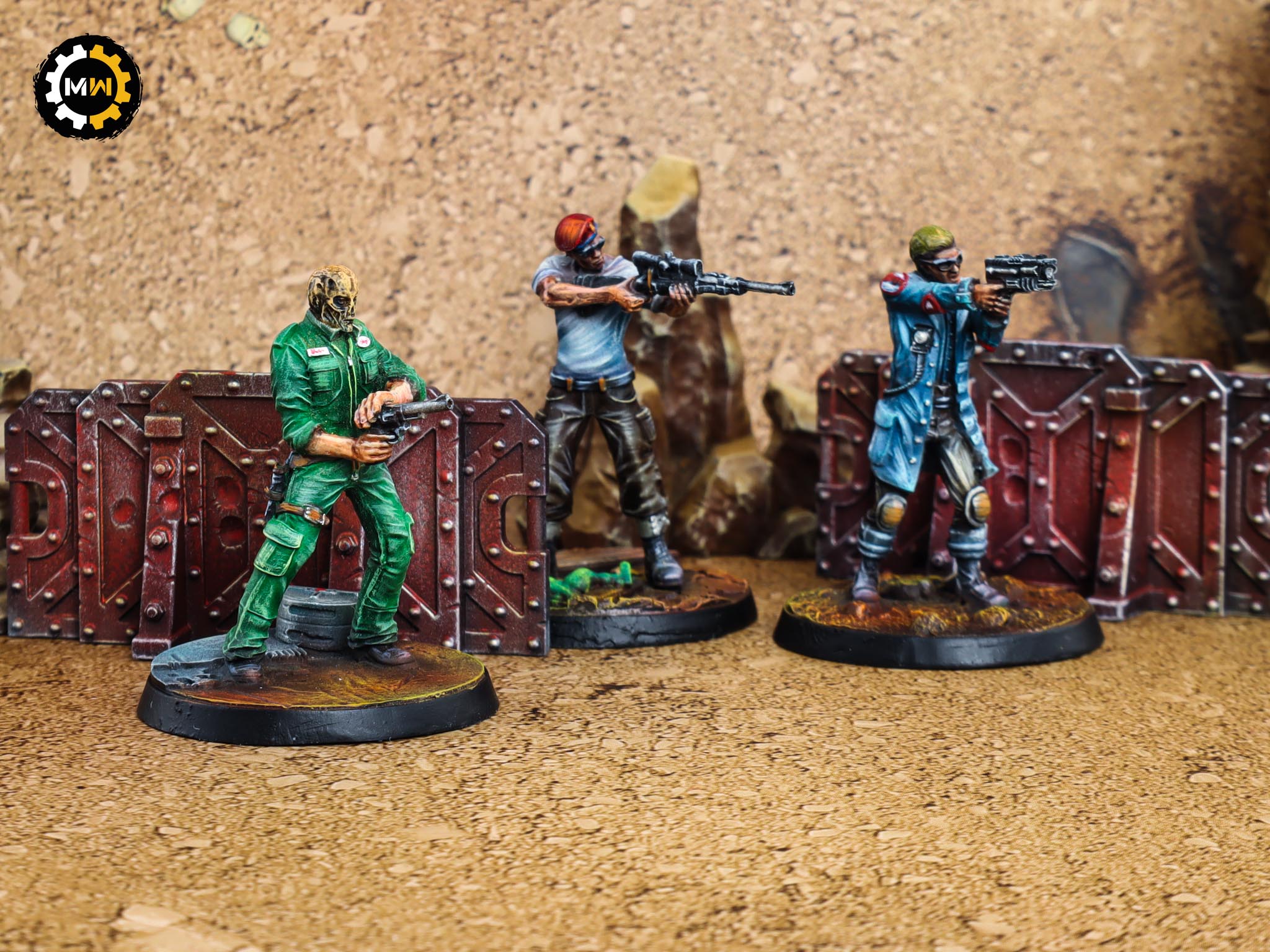
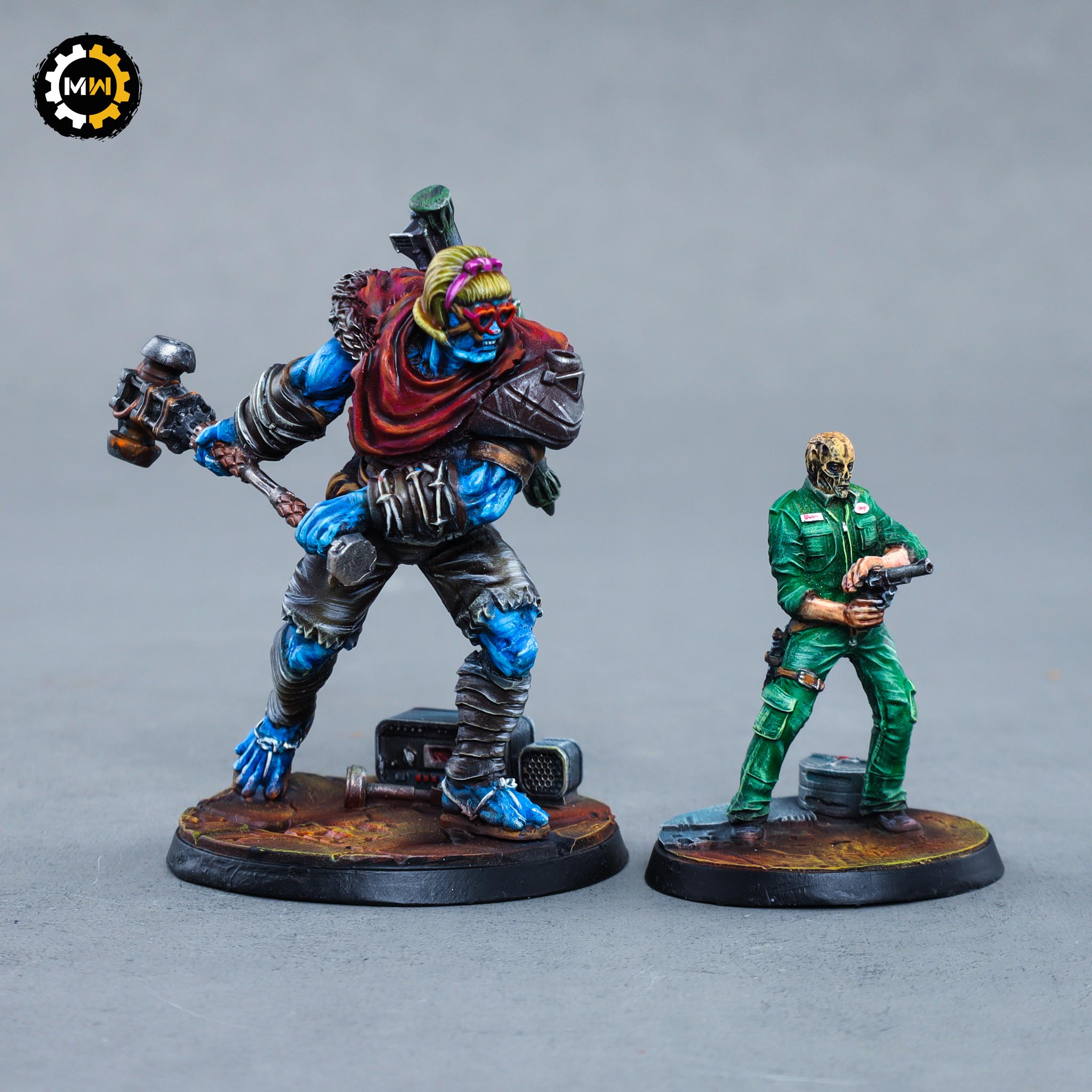
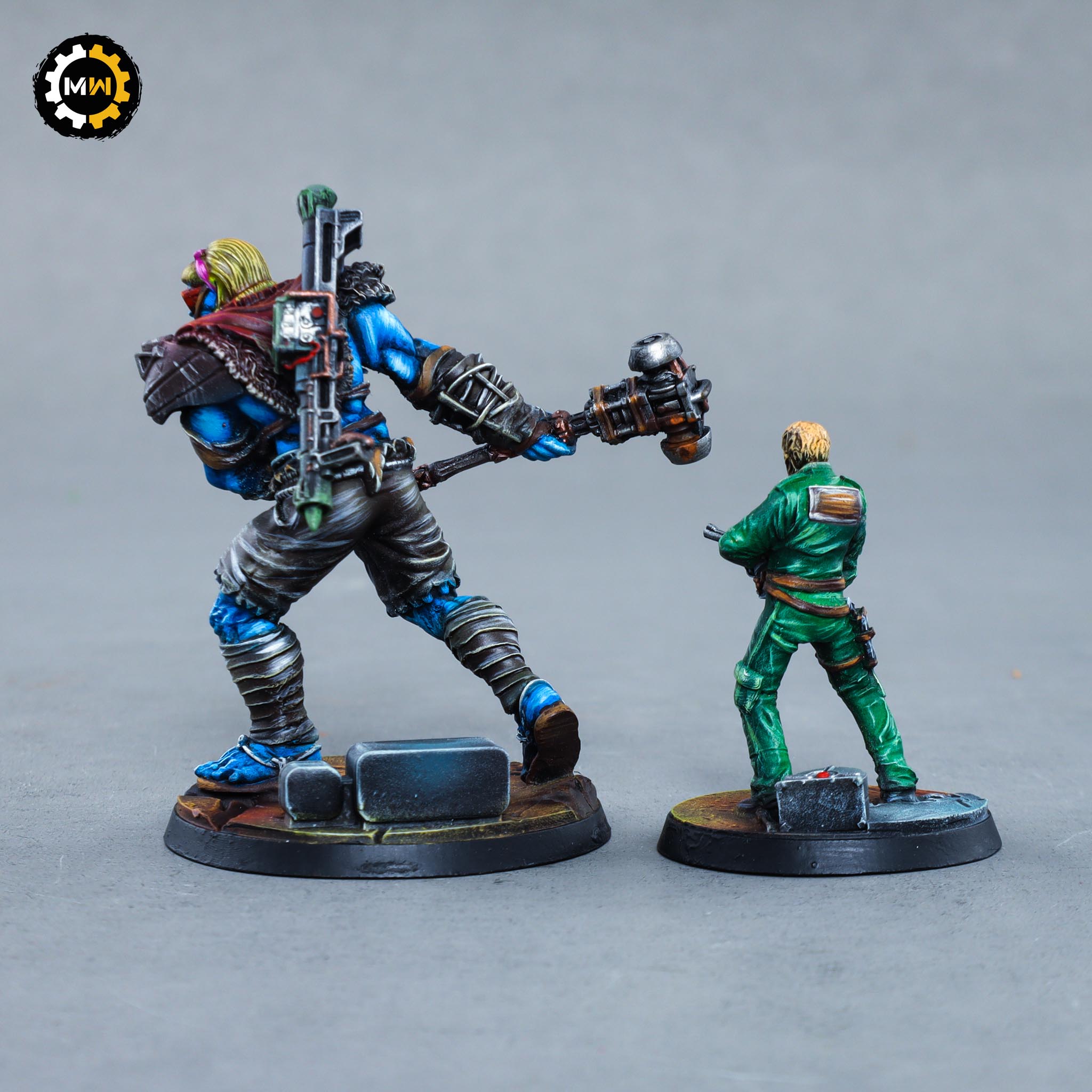
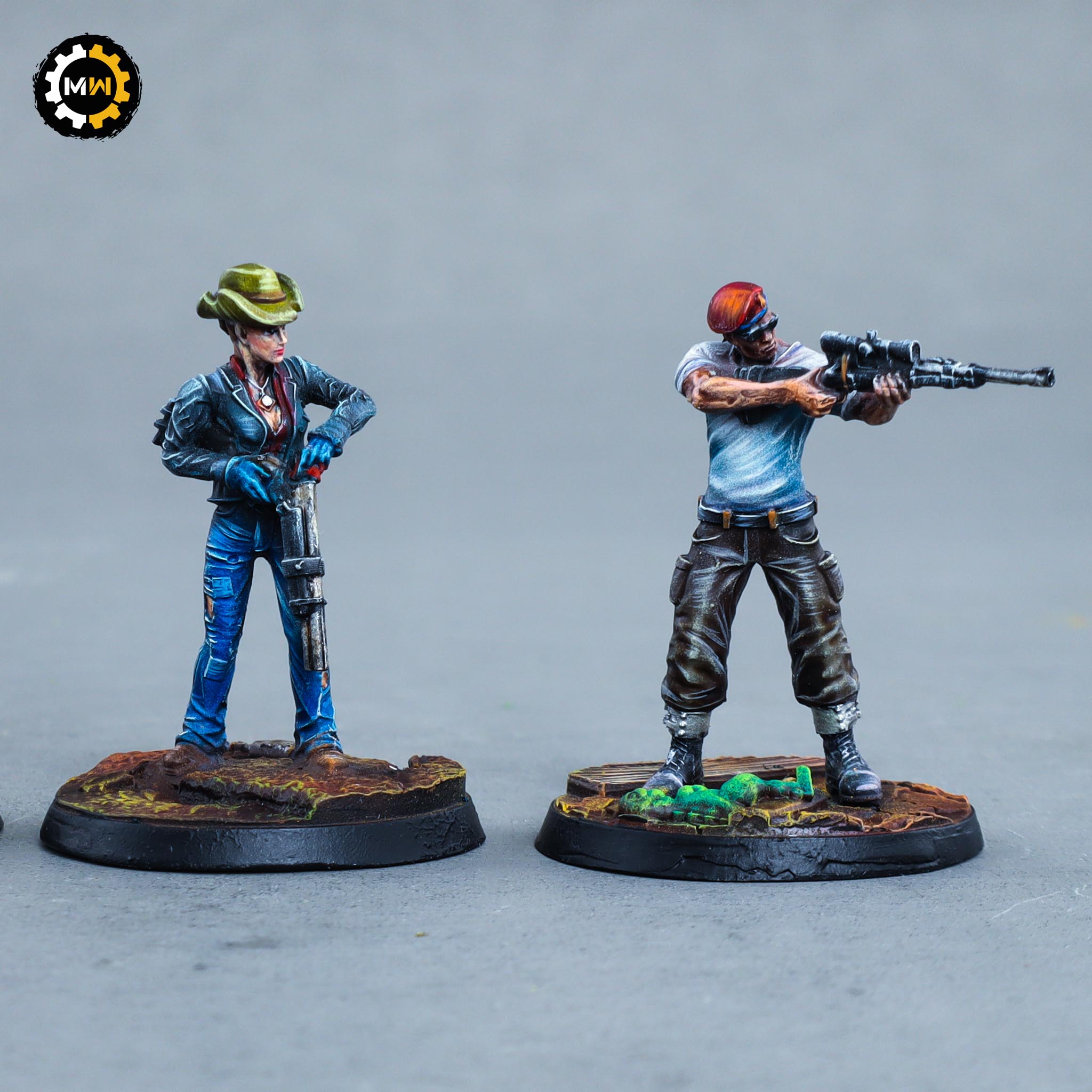
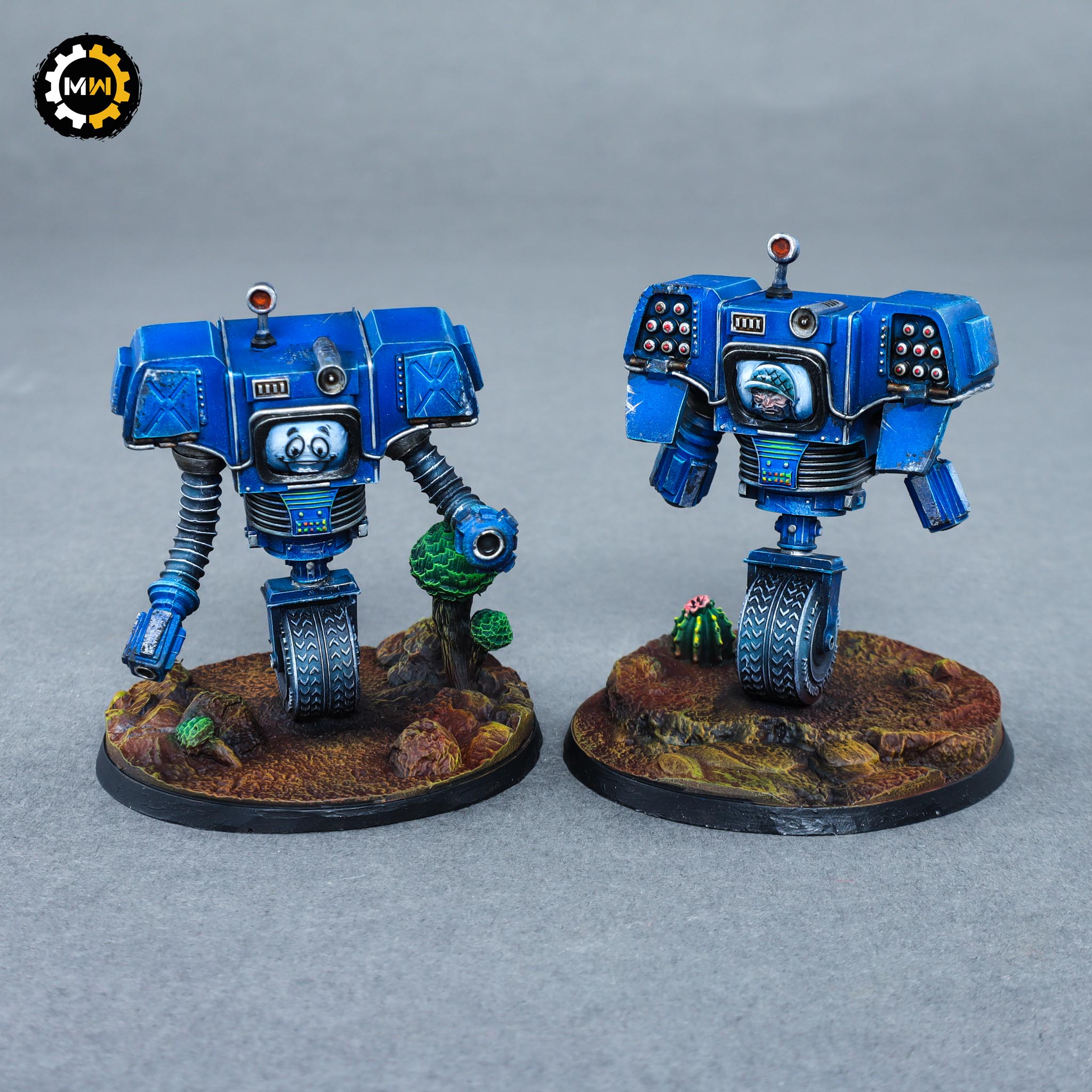
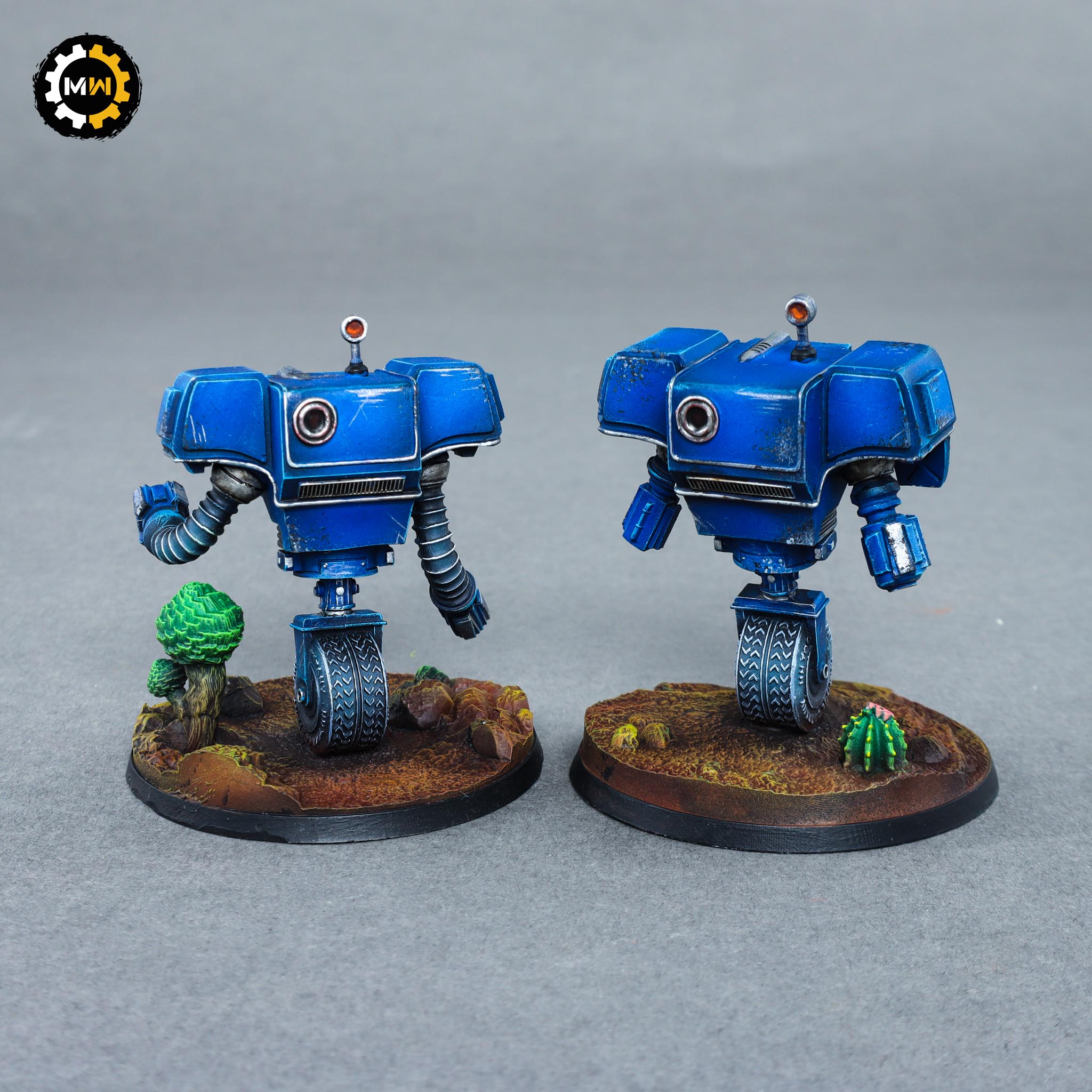
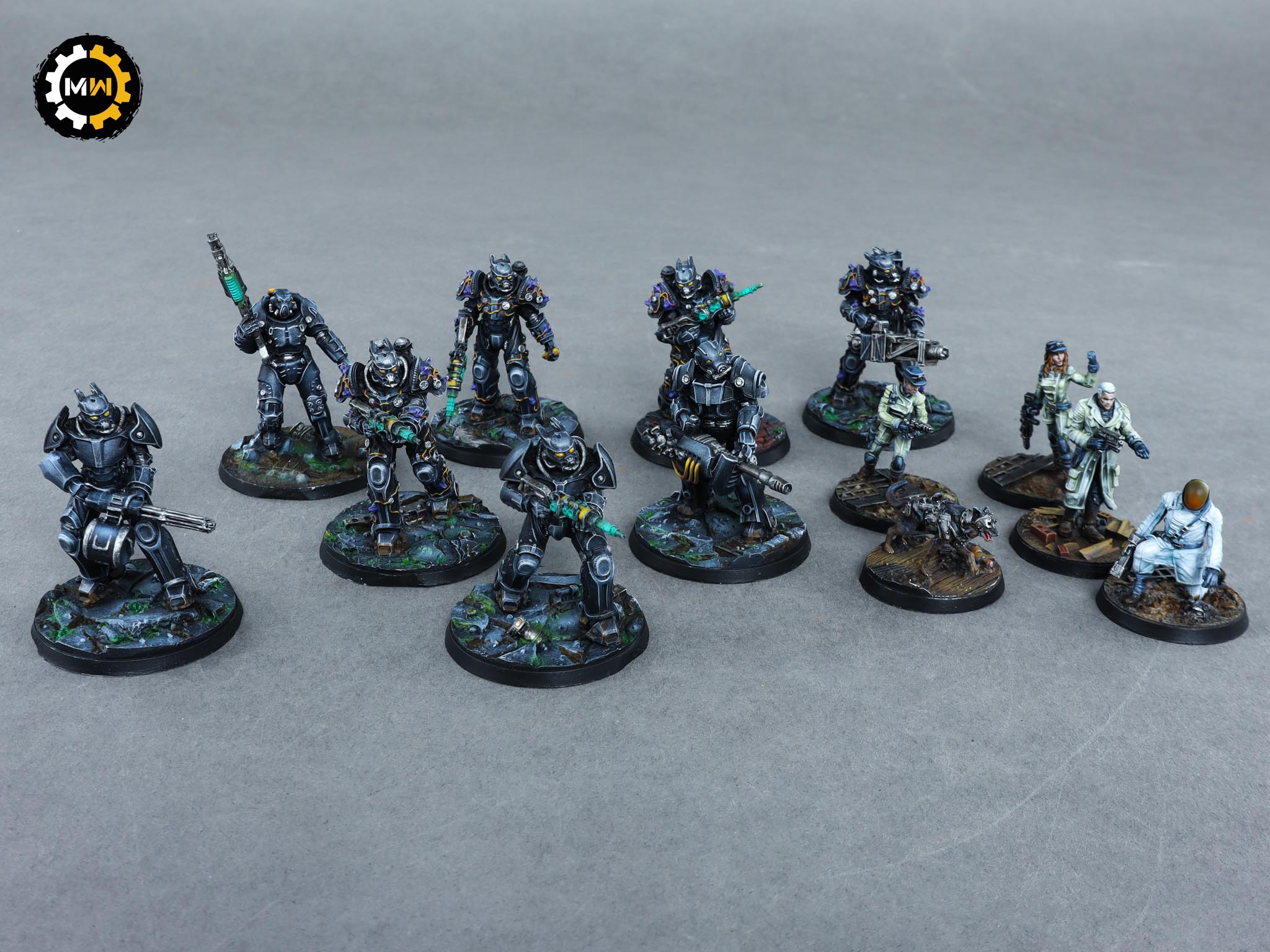
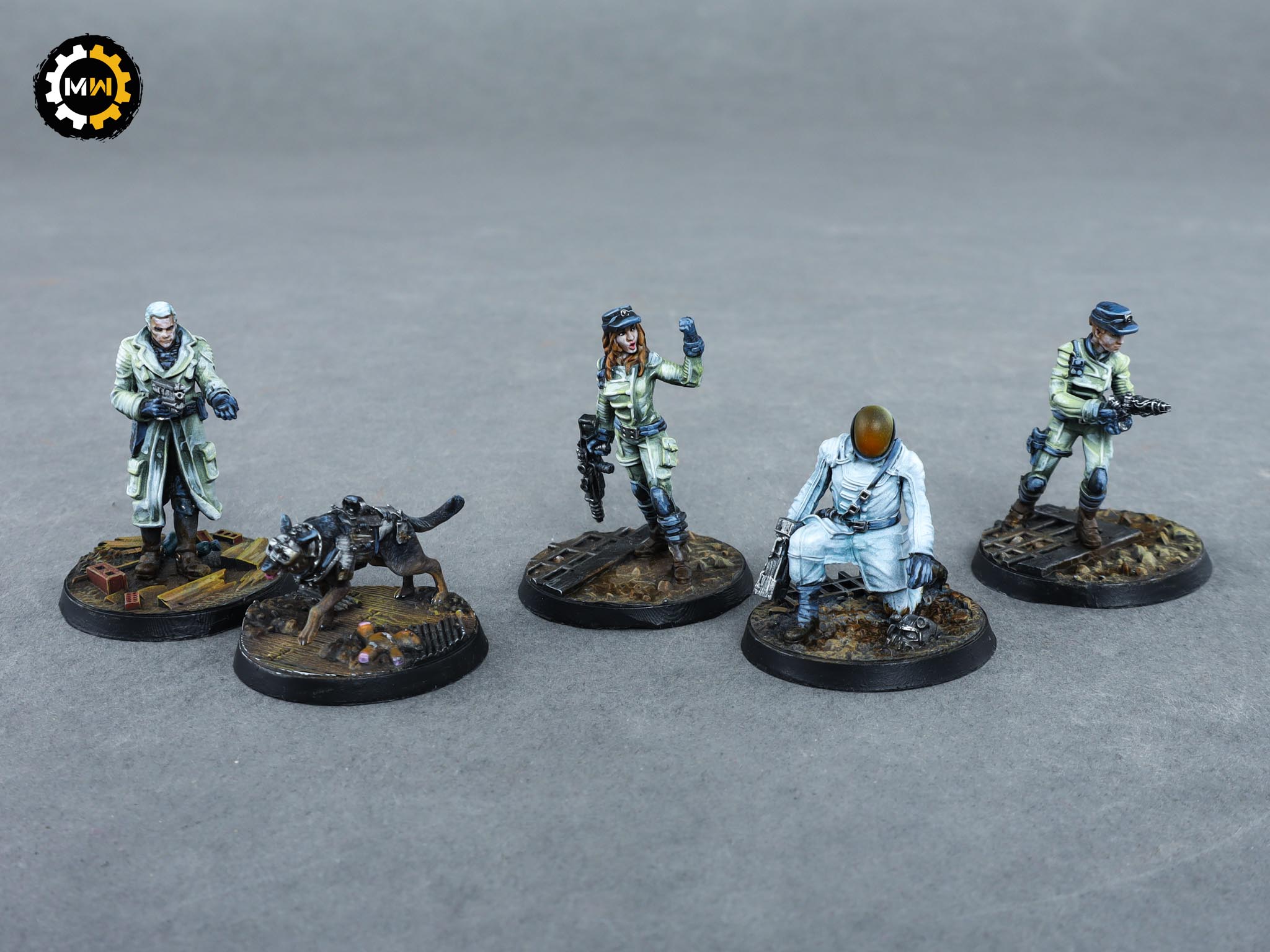
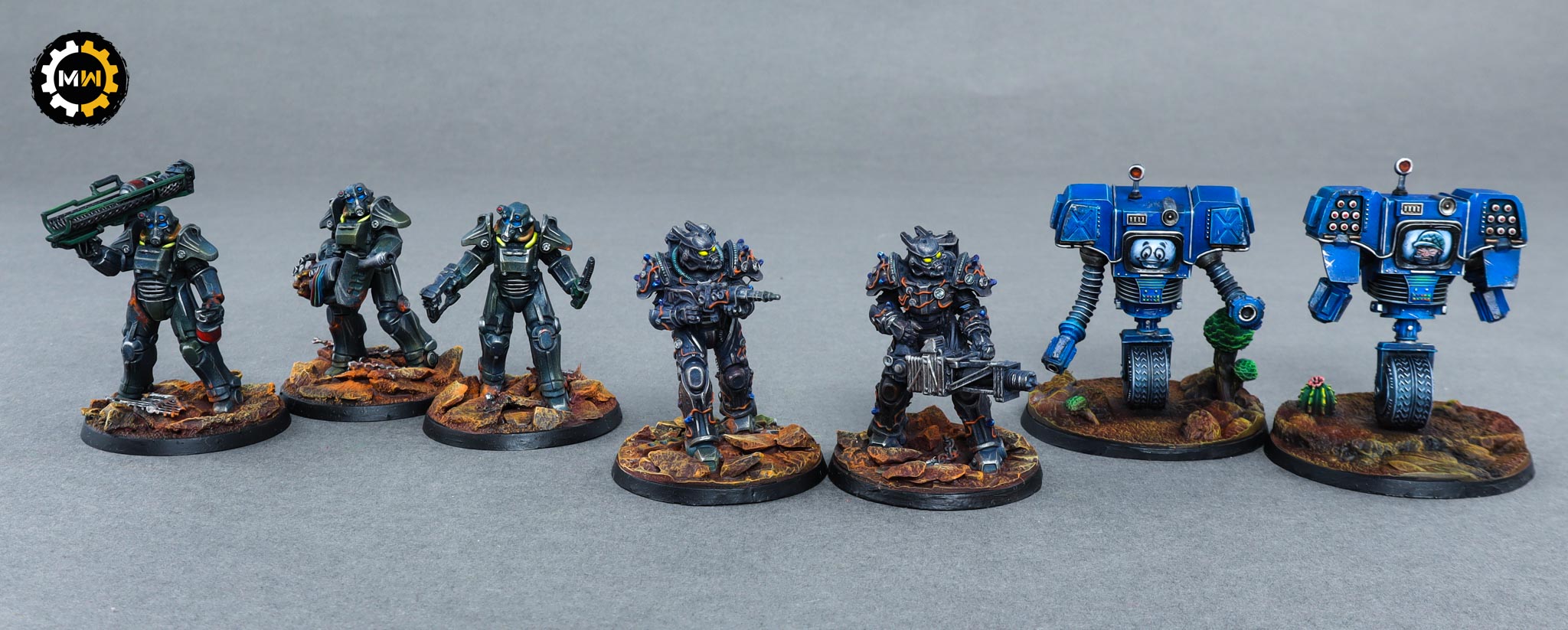
Let’s dig into what we know about the new edition, accompanied by some photos of past Fallout commissions we’ve painted right here in the studio!
The Core Loop: Explore, Fight, Survive
The fundamental experience of 2.0 revolves around a persistent campaign. You build a warband led by a hero character, set out into a procedurally generated wasteland, and try to accomplish quests while keeping your people alive. The world map is a blank grid – you mark your home settlement in the centre and explore outward, discovering randomly generated locations with their own set pieces and encounters. As you move between squares, you’ll cross into different regions, each with its own special rules and (in the Into the Wasteland supplement) its own ecology.
Procedural Encounters and Modular Terrain
This is closer to Five Leagues or Rangers of Shadow Deep territory than anything in first edition’s core box. Every combat encounter is generated procedurally: the difficulty scales based on your region and warband level, you roll for an encounter type (scavenger hunt, encampment, escort, and so on), then roll on opposition tables to determine what shows up and where. Terrain is similarly generated – each location type has a set piece table, with instructions on how to assemble the battlefield from modular terrain elements. The card terrain included in the starter boxes is designed to match these modular standards, so you can start playing without a shelf full of MDF ruins.
Non-Combat Interactions and Stealth
But it’s not all combat. The AMA revealed wandering traders as non-combat encounters – friendly NPCs you can meet in the wasteland, rest at their campfire, buy rare goods, and move on. Stealth-focused play is explicitly supported: one tester reportedly ran an entire campaign built around sneaking into enemy territory, choosing stealth perks and often leaving the rest of her warband behind. Depending on your quests and objectives, a full encounter without ever drawing a weapon is possible.
Quests: Main, Side, Companion, and Boss
The quest system is layered and modular, built to sustain long campaigns without running out of narrative fuel. There are four types.
The Four Quest Types
Story Quests
Story Quests are the campaign’s main arc. You choose one when you start and work toward completing it across many sessions. The core rulebook includes one, with three more in the Into the Wasteland supplement and more to follow.
Side Quests
Side Quests are picked up in friendly settlements – classic Fallout-style errands like mapping regions, bounty hunting, or chasing down vault rumours. Whether a settlement lets you in depends on your faction reputation with whoever lives there.
Companion Quests
Companion Quests are tied to unique named characters. When you meet a companion like Butch, Charon, or Fawkes (the three in the core book) and recruit them, their personal storyline unlocks. Helping them complete it makes them more powerful – a nice bit of RPG progression in a wargame framework.
Boss Quests
Boss Quests give major antagonists a narrative presence beyond a single fight. The core book features a particularly nasty Super Mutant called the Ravager, and Into the Wasteland adds five generic boss quest templates you can adapt to any enemy. Liberty Prime was mentioned as a likely future boss candidate.
Expanding the Narrative
The designer mentioned that basically all named companions will eventually get quests, and many named characters will receive rules both as unique companions and as bosses. One playtester apparently ran a long campaign where Preston Garvey was the villain – knocking over raider settlements and replacing them with farms and safe towns. Evie confirmed that this is a legitimate option in the Unit Compendium.
Warband Building and Factions
You pick a faction when you create your warband, which gives you access to that faction’s recruitment pool. Over the course of a campaign, if your reputation with another faction rises high enough, you can add their models to your pool as well – a Brotherhood-friendly survivor warband could eventually recruit BoS models, for example.
Faction Variety and Choices
The faction list at launch is extensive: Survivors, Raiders, Creatures, Brotherhood of Steel, Super Mutants, NCR, Caesar’s Legion, Enclave, Minutemen, Railroad, Institute, Children of Atom, and Cult of the Mothman. Each faction gets special campaign rules. The NCR, as one example, can establish colonies, turn locations into farmsteads, and collect taxes. Every faction plays through the same core campaign structure, but the system bakes meaningful choices into every interaction – find a settlement in the wastes, and you can trade with its people or attack and loot it.
Customizing Your Hero
Heroes are built through a stat point-buy system (with standard arrays available), layered with a faction template that provides bonus statistics and perks. Unaligned custom heroes get the VATS perk – a mechanical nod to the video game protagonists – which lets you trade accuracy dice for damage and armour reduction dice. The Into the Wasteland supplement expands this further with full custom hero creation and an option to use a named Companion as your hero instead.
Managing Your Followers
Your warband is persistent. Heroes and named companions can survive being incapacitated, but followers – including hired creatures like pack brahmin and robots like Mr. Handy or Protectrons – are killed if they go down in combat. Replacing hirelings costs caps, so there’s a real resource tension around expendable units.
The Stealth System Mechanics
One mechanical highlight from the AMA is the new stealth system. When a model successfully performs a stealth action, you place an Alarm Marker at their previous position and transfer all of the model’s priority tokens to it. Enemies targeting the marker can’t shoot at it – they’ll move toward it to investigate instead. If they get within two inches, they clear the alarm. At the end of each round, alarm markers degrade, losing a priority token. It’s a clean system that creates a real cat-and-mouse dynamic without requiring complex hidden information tracking – important for solo play.
What Changes from First Edition
Streamlined Systems
Several first-edition systems have been simplified or reworked. The coloured measuring sticks are gone, replaced by standard inch measurements. The “Heroic” mechanic no longer exists – all models can inflict critical hits, and there’s no critical counter. Heroes are now a unit type you build your warband around rather than a special mechanical category.
Hazards, Weapons, and Environment
Radiation works as a tabletop hazard that reduces maximum health. Unlike normal damage, rad damage doesn’t heal between combats – you need an item or a rest at a friendly settlement to remove it. Weapons can be modded. The “Compact” trait means a weapon doesn’t consume carrying capacity. Environmental conditions like swamp hazards are supported, with many optional rules for thematic terrain. Day/night cycles and dynamic weather aren’t in the initial release but have been flagged as future possibilities.
Rulebooks and Digital Tools
The rulebook itself is split into two physical books: the Core Rulebook and the Core Reference. All the tables live in the Reference book, which should make mid-game lookups much faster. An app is also in development to handle tables digitally.
Alternative Game Modes
Cooperative Play
There are two coop modes. In the first, two players share a single warband from a single settlement, each controlling a hero. In the second, each player has their own settlement on their own wasteland map – you place the maps next to each other and can travel to meet up. This second mode scales to more than two players, potentially creating a shared open-world campaign across multiple maps.
Battle Mode
For competitive players, Battle Mode is in the core book with four scenarios. You can build balanced warbands – either locked to a faction or freely picking – or pit your campaign warbands against each other. It’s clearly positioned as the secondary mode, but it’s there for people who want it.
For New Players: Where to Start
If Wasteland Warfare has been on your radar but you’ve never played, 2.0 looks like the right entry point. The first edition was a good game buried under a lot of cards and slightly opaque presentation. By Modiphius’ own account, the new edition is significantly more approachable – comparable in complexity to Fallout: Factions, their lighter PvP skirmish game.
Upcoming Starter Sets
There are plans for 2 starter sets. The Into the Wasteland Solo Starter Set (expected Q3 2026) is purpose-built for solo players, including the full rules plus the Into the Wasteland expansion for custom heroes and thematic region generation. The Warbands Starter Set (Q4 2026) is a two-player box with PVC Survivor and Super Mutant models, cardboard scenery, tokens, and the full rulebook and reference – a spiritual successor to the original starter.
New Plastic and PVC Miniatures
For miniatures, Modiphius is releasing new multi-part plastic Vault Dweller kits (four male figures, four female figures, with weapon and armour options) alongside Encounter Boxes of pre-assembled PVC models themed by faction or region. These PVC sets are designed as a grab-and-play option for people who don’t want to deal with assembly. The game isn’t WYSIWYG, so you don’t need to stress about matching loadouts to models – paint what you like and equip them however you want in the rules.
Backward Compatibility
If you already own first-edition miniatures, everything is compatible at the same 32mm scale.
The RPG Texture
If you’re coming from Five Leagues from the Borderlands, Rangers of Shadow Deep, or similar solo campaign wargames, the structure of Wasteland Warfare 2.0 will feel familiar. Its procedural map exploration, persistent warband, quest-driven campaign progression, and AI-controlled enemies. The key differentiator is the Fallout licence – the faction reputation system, settlement interaction, and Fallout-flavoured loot and perks add a layer of RPG texture that most solo wargames don’t attempt. Whether that’s a draw or bloat will depend on your tolerance for campaign bookkeeping. But the split rulebook/reference design and the upcoming app suggest Modiphius is aware of the problem.
What’s Coming Later
Planned Supplements
Beyond the core releases, Modiphius confirmed several supplements. The Wasteland Compendium (early 2027) will provide rules for representing specific Fallout regions on the tabletop: New California, the Mojave, the Capital Wasteland, the Commonwealth, Appalachia, and more. The Unit Compendium will expand the available models and faction-specific options significantly. Settlement building rules are planned for a separate supplement. Custom subfaction rules for player warbands, multi-faction encounters (more than two sides in a single fight), and faction-specific upgrade paths and promotions within organisations are all on the roadmap, though probably not in the first wave.
Future Content Updates
Smaller content drops similar to the Wave 10 packets from first edition are also planned, though Modiphius isn’t sharing details yet.
For solo wargamers looking for their next long-form campaign, this is the one to watch.
While we wait for the new edition to drop, why not get your current warbands painted and ready for the wasteland? If you want a fully painted crew ready to explore the radioactive ruins, send us a message through our contact form!